INNOVATIVE PROJECTS PLATFORM
Biogas
Biogas is obtained via the anaerobic decomposition of the organic matter. After the process of upgrading, biogas becomes biomethane with the same quality standard as natural gas and can be transported via the existing grid infrastructure. Biomethane contributes to the decarbonisation of the energy system.
Energinet
ERGaR
ERGaR is founded as a cooperation between European registries of biomethane certificates that will enable cross border trade of biomethane certificates among the member registries. ERGaR will be the Europe-wide recognised organisation for administering and mass balancing volumes of renewable gases virtually distributed along the European natural gas network.
Contact: jbg@energinet.dk
Enagás S.A.
RenovaGas
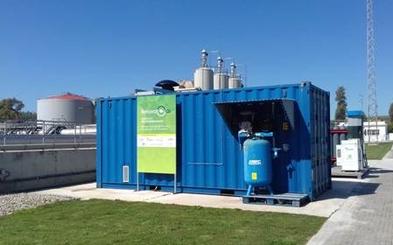
RENOVAGAS is a research project whose first phase finished in 2017. It first aim was the development of a 15 kW demonstration plant for the production of synthetic natural gas (SNG) from the electrolytic production of hydrogen with renewable energy sources (RES) and its combination directly with a biogas stream, that is, without separating CO2 from the methane, through a methanation process, so the synthetic natural gas obtained was fully renewable.
Contact: jrubio@enagas.es
Snam Rete Gas S.p.A.
Biogasdoneright
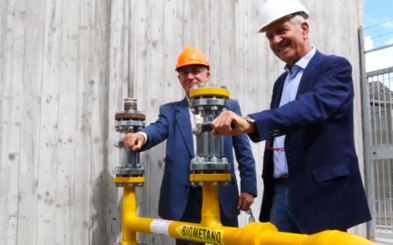
Snam, together with the Consorzio Italiano Biogas and Confagricoltura (CIB) has developed and presented a manifesto to the public in support of the Italian biomethane supply chain. CIB developed an innovative approach to produce sustainable biogas from winter crops called Biogasdoneright.
Contact: Simona.Dangelosante@snam.it
Ontras Gastransport GmbH
MoBIO 800
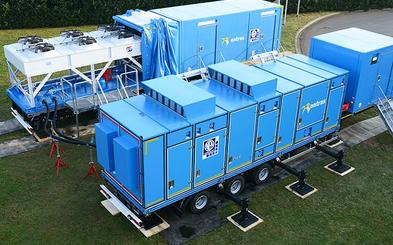
ONTRAS in cooperation with the NEUMAN & ESSER Group, developed a mobile biogas compressor. This compressor not only avoids expensive downtime at injection plants, it also enables redirection of pipeline gas during maintenance work. This helps ONTRAS to minimize flare-off emissions. Also, in case of a failure or malfunction in a stationary system, it should be possible to connect and use the mobile solution in the short-term.
Contact: ralf.borschinsky@ontras.com
GRTGaz
Standardised quality measurements for European biomethane (RICE)
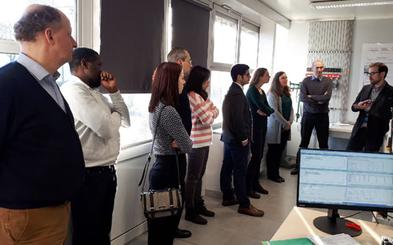
This project aims to develop new techniques to measure the level of various compounds – compounds that may have an impact over a certain concentration – before injection of the biomethane into the network.
Contact: jeanmarc.brimont@grtgaz.com
Energinet
Digital certificates
Energinet issues digital certificates for injected biomethane which represent the “green” value of energy produced from biogas, a renewable energy source. The green value of the upgraded biogas may be traded commercially.
Contact: jbg@energinet.dk
Swedegas AB
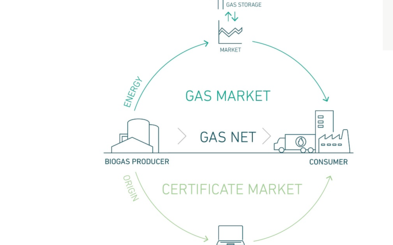
Virtual trading using the Green Gas Principle
The Green Gas Principle allows biogas producers and consumers who are connected to a gas network to trade virtually in biogas in the same way that trading takes place in renewable energy. The principle is based on tax exemption and sustainability features being linked to the biogas via agreements and not via its physical route. As the infrastructure has not yet been developed to the same extent as in many other European countries, the Green Gas Principle has been established in Sweden to facilitate biogas trading between different gas networks.
Contact: hanna.paradis@swedegas.se
Elering AS
Biomethane registry
In order for biomethane to reach consumers, Elering will create efficient conditions for biomethane producers to connect to the gas network, advise producers on finding connection options, and allow filling stations to quickly join new and existing gas networks. In addition, Elering will create and implement a certificate of origin system to verify the origin of gas for consumers.
Contact: vreni.veskimagi@elering.ee
Snam Rete Gas S.p.A.
IES Biogas
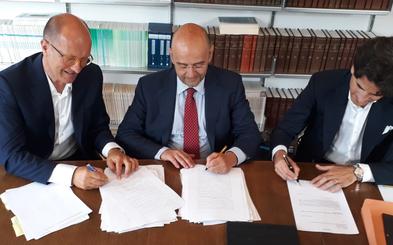
The acquisition of IES Biogas, one of the leading Italian companies in the design, construction and management of biogas and biomethane production plants, will enable Snam to develop biomethane plants, leveraging IES Biogas’ managerial expertise, and to promote the use of biomethane in the transport sector. The acquisition of IES Biogas has been performed by Snam4Mobility, the company through which Snam has been developing infrastructure for refuelling compressed natural gas (CNG) and liquefied natural gas (LNG) engines. The growing interest of the market for sustainable mobility powered by methane and biomethane shows that there is great potential for alternative uses of gas.
Contact: salvatore.ricco@snam.it
Swedegas AB
The Gas Barometer
The Gas Barometer is designed to measure the volume of biogas that is being transported and used in the gas distribution network. This pioneering initiative will allow Swedegas, in partnership with the companies that trade in gas in the network in western Sweden, to produce quarterly figures showing how much biogas is being transported and used in the network. The Gas Barometer will monitor growth in the use of biogas in the network. It can provide an illustration of the impact that control strategies and trading patterns in Sweden and in other countries are having on the market.
Contact: hanna.paradis@swedegas.se