INNOVATIVE PROJECTS PLATFORM

Technology
The natural gas industry in and around Europe is going through a period of unprecedented change. Investment into R&D pilot and demonstration projects is essential as it creates the opportunity for new and improved technologies, which are vital in enabling the transition to decarbonization of the gas sector. ENTSOG Members (TSOs) are developing new and innovative technologies to offer sustainable solutions for the gas sector. These technologies focus on optimization of the grid usage, creation of digital layer connections and support decarbonization of the EU gas system. Please find specific examples in the list provided below.
Energinet
DSO - TSO reverse flow project
The objective of this reverse flow project from DSO grid to TSO grid, is to ensure the integration of excess biomethane in the distribution grid into the transmission grid. The project is a virtual aggregation of three future physical projects establishing reverse flows from DSO grid to TSO grid. When supply of biomethane in the high-pressure distribution grid exceeds demand, high-pressure compressors lift the gas to the TSO grid (20/40 bar to 80 bar), where odor in the gas is removed also. These are reverse flow facilities.
Contact: Martin Graversgaard (mgn@energinet.dk)
GAZ-SYSTEM
GDANSK FSRU Terminals
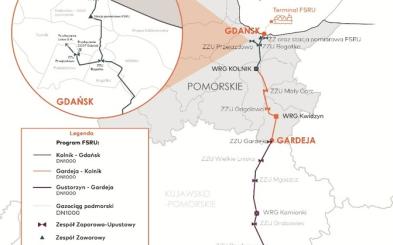
Gdańsk FSRU Terminal is a strategic LNG infrastructure project designed to enhance energy security and supply diversification in Poland and the wider region. Located in the Gulf of Gdańsk, the terminal will include a floating storage and regasification unit (FSRU) with a regasification capacity of around 6.1 bcm of gas per year, connected to the national transmission system through offshore infrastructure and approximately 250 km of new onshore gas pipelines. The project has been recognised as an EU Project of Common Interest (PCI) and is expected to strengthen regional gas supply flexibility and resilience.
Contact: kontakt@gaz-system.pl
ENAGAS TRANSPORTE S.A.U, Veolia, Barcelona City Council
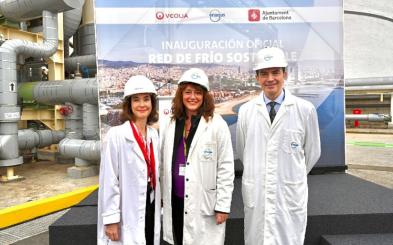
First sustainable urban cold recovery network at an LNG terminal
Barcelona LNG Cold Recovery Network aims to recover residual cold from the regasification process at the Enagás LNG terminal and convert it into sustainable energy for industrial, commercial and residential users. Developed by Enagás, Veolia and the Barcelona City Council, the project supplies low-carbon cooling through Southern Europe’s largest district cooling network. By recovering energy that would otherwise be lost, it supports decarbonisation, improves energy efficiency, and avoids more than 32,000 tonnes of CO₂ emissions annually.
Contact: dircom@enagas.es
FLUXYS
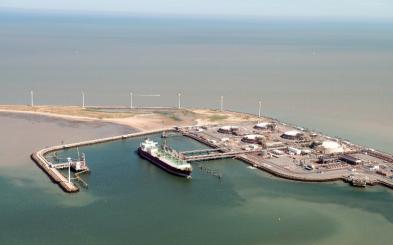
Zeebrugge Multi-molecule Hub
Zeebrugge Multi-molecule Hub aims to transform the Zeebrugge terminal into a multi-directional hub for natural gas, biomethane, hydrogen, ammonia and CO₂. Developed by Fluxys, the project will provide integrated import, export, transmission and terminalling services, supporting large-scale decarbonisation across Northwest Europe. Leveraging Zeebrugge’s strategic port location and extensive energy infrastructure, the hub will facilitate low-carbon hydrogen imports, CO₂ exports for permanent storage, and continued security of supply through diversified molecule flows.
SNAM SpA
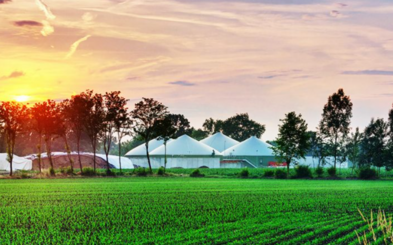
Biomethane productions interconnection
The project consists of the interconnections of the new biomethane productions to existing Snam Rete Gas network. The provisions regarding connections of biomethane plants to gas networks introduced by the Italian Regulatory Authority for Energy, Networks and the Environment (ARERA) with Resolutions n, 220/2023/R/gas and 131/2024/R/gas.
Teréga
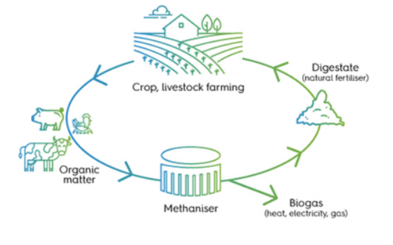
Biomethane Reverse flow Projects
Reverse flows will be needed to allow biomethane injected in the distribution to flow back to the transmission grid when the biomethane injected locally exceeds local demand. These network adaptations will enable to maximize the volume of biomethane injected into the gas system and reach the national target for renewable gas (15% of gas consumption in 2032). Teréga expects 1 reverse flow unit every year from 2024 (7 completed by 2032) for an estimated reverse flow of 0,5 TWh/year.
Contact: jordan.perrin@terega.fr
Teréga
Impulse 2025
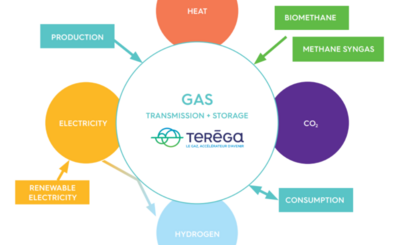
IMPULSE 2025 project aims at implementing a smart multi-energies system to interconnect different energy networks (gas, power, heat) to create synergies and improve energy efficiency. It includes studies and the building of a pilot demonstrator. 2 phases: Phase 1 (2019-2024) development of a model and optimization tool to identify the optimal configuration of a smart multi-energies system. Phase 2 (post 2025) study of the operational feasibility to confirm estimated gains.
Contact: jordan.perrin@terega.fr
Teréga
Biomethane connection of production units
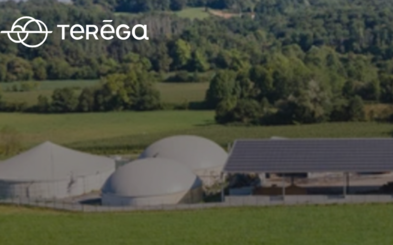
The scattered production of renewable gas will take an increasing part in the gas mix. Grid adaptations and extensions will be required to connect these production units to the transmission network. These network upgrades will maximise the volume of biomethane injected into the gas system and reach the national target for renewable gas (15% of gas consumption in 2032). Teréga expects 3 to 5 connection projects per year (around 40 completed by 2032) for an estimated production of 1,6 TWh/year.
Contact: jordan.perrin@terega.fr
GRTGaz
Reverse flow projects
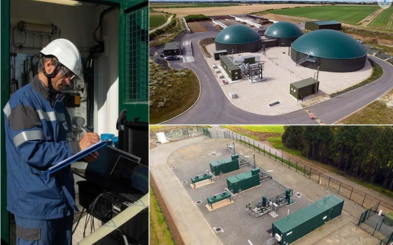
Network adaptations will enable to maximize the volume of biomethane injected into the gas system and reach european target for renewable gas production set by Repower EU. Grid extensions will be required to collect this generation and backhaul facilities will allow the excess energy to be absorbed when supply exceeds local demand. It can be estimated that around 162 backhaul installations and mutualised compressors −90% in D/T (Distribu-tion/Transmission) and 10% in T/T (Regional Transmis-sion/Principal Transmission infrastructures)− would be re-quired, i.e. a financial envelope of €479 million by 2030.
Società Gasdotti Italia S.p.A.
HyBRIDS
Project envisages construction of a 2 km hydrogen pipeline and facilities connecting Green H2 production plant of Società Chimica Bussi (SCB) to SGI high-pressure gas network. This connection will provide:
- H2 / CH4 blending services for grid injection of excess H2 production initially up to 1% (in vol.);
- H2 modulation/ storage services allowing retrieval of H2 from pipeline, hence operating as storage infrastructure for other SCB uses.
Contact: Antonio.serlenga@sgispa.com