INNOVATIVE PROJECTS PLATFORM
Hydrogen
Hydrogen can be produced by various process technologies. Hydrogen can be obtained from natural gas through a steam reforming process or a methane pyrolysis process; produced by splitting water into hydrogen and oxygen via electrolysis or via gasification process, by converting solid fuel (coal or woody biomass) to hydrogen. Hydrogen can also by produced through anaerobic digestion, converting wet biomass to hydrogen. Hydrogen can be utilised directly as fuel or, depending on the application, blended with natural gas.
Hydrogen production from RES-based electricity in power-to-gas facilities or from other fuels in combination with CCS contributes to the decarbonisation of the energy system.
GASCADE, Fluxys
doing hydrogen
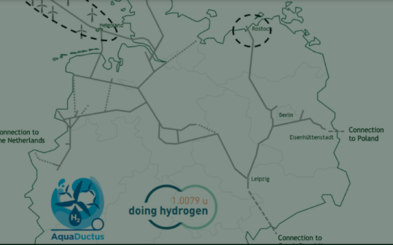
doing hydrogen is the large-scale pipeline project to kick-start the hydrogen market in eastern Germany, planned to be operational by 2027. The GASCADE-Fluxys project involves a strategic 50-kilometre new-built hydrogen pipeline from the area of Rostock on the Baltic Sea going southwards as part of the eastern German hydrogen grid. This infrastructure will create a powerful hydrogen hub connecting hydrogen production, storage and demand centers.
Enagas
GREEN HYSLAND
A project promoted by the Regional and National Government and some private companies: Cemex, Enagás, Acciona and Redexis. The 10 MW green hydrogen production plant will be powered by a 16 MW solar plant. The project contemplates the use of green hydrogen in mobility, as well as its injection into the gas grid.
Contact: mjaen@enagas.es
GASCADE, Gasunie
AquaVentus
The project portfolio associated with the AquaVentus initiative includes various sub-projects along the value chain from the production of hydrogen in the North Sea to transportation to customers on the mainland. These coordinated projects synchronise demand and production, thereby facilitating market roll-out. In partnership with RWE, Shell, Island of Heligoland, Reuther, Vattenfall, Siemens, Parkwind and MHI Vestas.
GASCADE, Gasunie, Fluxys
AquaDuctus
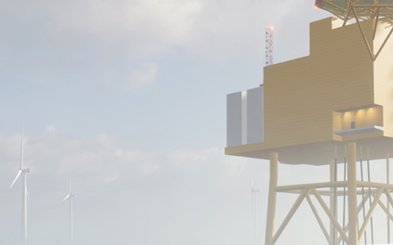
AquaDuctus is part of the project initiative AquaVentus and aims at transporting green hydrogen, which will be produced offshore in the German North Sea, to the island of Heligoland. At a later stage a connection to the German mainland and to the German national hydrogen network is foreseen. In partnership with RWE and Shell.
Gasunie
NortH2
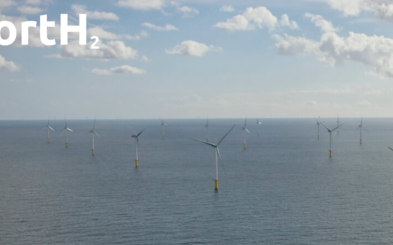
The consortium has conducted a feasibility study that produced the first results in late 2020. Seeing as these results are positive, the consortium aims to be able to start producing the first hydrogen around 2027.In partnership with Groningen seaport, Shell, Equinor, RWE, Groningen provincial authority, Enico.
OGE
GET H2 TransHyDE
The central fundamentals for the reliable operation of a climate-neutral hydrogen infrastructure are now being further deepened with a view to the future - RWE, Nowega, Rosen, Evonik, the University of Potsdam, the DVGW, Adlares, Meter-Q Solutions and OGE are working on practical solutions for the transport of hydrogen.
OGE
SyWestH2
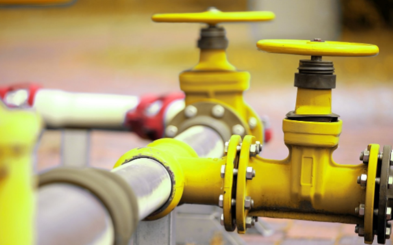
In the H2-suitability of steels project , materials that are currently used in Germany for the transport of natural gas are to be examined for their suitability for hydrogen. Random fracture mechanical tests should be carried out to check the steels used. The determined characteristic values are compared with the results on which the American regulations ASME 31.12 are based. The transferability of the ASME standard to the steels used in Germany is then validated. In partnership with Materials Testing Office (MPA) Stuttgar, DVGW
OGE
Westküste 100
This project is about creating a regional hydrogen network on the basis of a 30 MW electrolysis plant connected to the grid of a municipal utility. The end-to-end hydrogen value chain will include industrial customers, a hydrogen filling station and end users supplied by the municipal utility.
OGE
Zukunft RuH2r
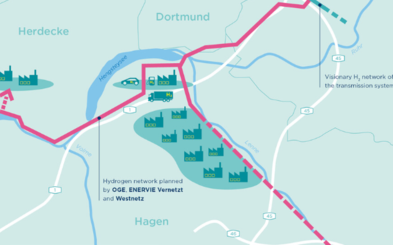
Zukunft RuH2r aims to create the infrastructural conditions for the provision of hydrogen to decarbonize regional industry between the Ruhr metropolitan region and South Westphalia. Together with the project partners ENERVIE, Vernetzt and Westnetz, the project partners are pursuing the establishment of demand clusters and an expansion of the hydrogen cluster into the neighboring regions.
Nowega
GET H2
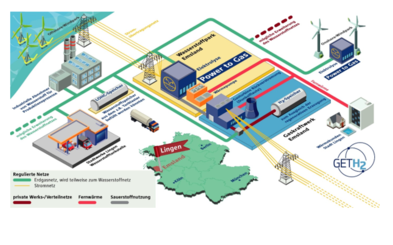
The strategic goal of Get H2 is to combine regions with a high share of renewable energies from wind and solar sources with H2 production on an industrial scale. The focus is on the development of a nationwide H2 infrastructure with the coupling of all sectors.
Contact: presse@nowega.de